Android Vs Iphone Comparison
Choosing between Android and iPhone involves understanding their core differences in operating systems, hardware, app stores, customization, and ecosystem integration. Both offer robust features, but cater to distinct user preferences and priorities. Your ideal choice depends on your existing devices, desire for flexibility, and budget.
Android vs iPhone: What’s the Real Story?
At its heart, the difference between Android and iPhone is about two main things. It’s about their operating systems and the phones they run on. Android phones are made by many companies.
Think Samsung, Google Pixel, OnePlus, and others. iPhones are made only by Apple. This creates a big difference right away.
Google makes the Android software. This software is then used by many different phone makers. They can add their own features and designs on top of it.
This means you have a lot of choices when it comes to Android phones. You can find phones at many different price points. You can also find phones with unique features.
Apple makes both the iPhone hardware and its software, called iOS. This means everything is designed to work together perfectly. Apple controls everything.
This often leads to a very smooth and simple experience. iPhones are known for being easy to use. They also tend to be in the higher price range.
Let’s dive into the details. We’ll see how these systems compare in everyday use. This way, you can make a choice that feels right for you.
My First Smartphone Choice: A Relatable Tale
I remember buying my very first smartphone. It was a long time ago. I had always used flip phones before.
My friends were all getting these new “smart” devices. I felt a bit lost. One friend had an early Android phone.
It looked so cool! He was showing me how he could change all the icons. He could add little widgets that showed the weather right on his screen.
He said, “You can do almost anything with this phone!” I was amazed. Then another friend showed me her iPhone. It felt so sleek and simple.
Everything just worked. Tapping on apps felt very smooth. She showed me how easy it was to take a photo and share it.
I remember feeling a little overwhelmed by all the options on the Android. But I also felt limited by the iPhone’s structure.
That day, I walked away with more questions than answers. Both seemed great, but in different ways. It took me a while to understand what each one offered.
I finally picked one. But even then, I kept wondering if I made the right choice. This feeling is super common for many people.
Core Differences: Operating Systems and Ecosystems
The biggest difference is the software they run. Android uses the Android operating system. iPhones use iOS.
This is the foundation of everything you do on your phone.
Think of it like a house. Android is like a house that many builders can decorate. They can paint the walls any color.
They can add furniture wherever they want. They can even knock down a wall to make a room bigger.
iOS is more like a beautifully designed, fully furnished house. Everything is already in place. The furniture is top quality.
The colors are chosen well. You can change some decorations. But you can’t really change the structure of the house itself.
It’s very put-together and elegant.
This difference in openness and control affects many things. It impacts how you customize your phone. It affects how you get apps.
It also influences how your phone works with other devices you own.
Android vs. iPhone: The Core Software
Android (Google):
- Open System: Many manufacturers use it.
- Customizable: You can change many things.
- Wide Range: Phones from cheap to very expensive.
- App Store: Google Play Store.
iOS (Apple):
- Closed System: Only on Apple devices.
- Simple Design: Very consistent and easy to learn.
- Premium Devices: Generally higher price points.
- App Store: Apple App Store.
Customization: Making Your Phone Yours
One of the most talked-about features is customization. This is where Android shines for many.
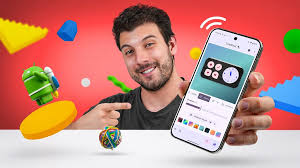
With an Android phone, you have a lot of freedom. You can change your home screen layout completely. You can use widgets for almost anything.
These are like mini-apps on your screen. They can show news, your calendar, or music controls. You can download different launchers.
These change the entire look and feel of your phone’s interface.
You can also change default apps. For example, if you don’t like the built-in messaging app, you can pick another one. This flexibility lets you truly tailor the phone to your needs and style.
It’s great for people who like to tinker and personalize.
On the other hand, iPhones are much more locked down. Apple’s iOS offers a clean, consistent look across all iPhones. You can arrange app icons.
You can add widgets now, too. But you can’t change the overall look as much as on Android. You can’t install custom launchers.
The core experience is very similar for everyone.
This might seem limiting. But for many, it’s a good thing. It means the phone is very predictable.
You know where to find things. It’s simpler and often feels more polished. It’s about ease of use over deep personalization.
App Stores: Where You Find Your Fun
Both Android and iPhone have massive app stores. These are where you download games, social media, and tools.
The Google Play Store is for Android. The Apple App Store is for iPhones. Both have millions of apps.
Most popular apps are available on both platforms. You’ll find Facebook, Instagram, TikTok, Netflix, and banking apps on either.
However, there can be small differences. Sometimes, new apps or features come to one platform first. This can happen for many reasons.
It might be easier for developers to build for one system first. Or a company might have a special deal.
App quality can also vary. Apple has a stricter review process for apps. This can lead to apps feeling more polished or secure.
Google’s process is more open. This means you might find more unique or niche apps. But occasionally, you might find apps that are less polished.
Many developers focus on iOS first. This is because iPhone users, on average, tend to spend more money on apps and in-app purchases. So, if you’re someone who loves trying out the newest apps the moment they launch, it’s worth checking which store gets them first.
App Store Differences: Quick Look
Google Play Store (Android):
- Size: Millions of apps.
- Variety: Wider range, more niche options.
- Developer Focus: Sometimes gets apps later.
- Customization: Allows side-loading (installing apps from outside the store – use with caution!).
Apple App Store (iOS):
- Size: Millions of apps.
- Quality Control: Stricter review process, often more polished apps.
- Developer Focus: Often gets new apps or features first.
- Security: Generally considered very secure.
Hardware Choices: Variety vs. Consistency
This is another major point of difference. The hardware is the physical phone itself.
With Android, you have a vast selection. Samsung makes phones with beautiful, vibrant screens. Google Pixel phones are known for their amazing cameras and clean Android experience.
OnePlus offers speed and good value. There are also budget-friendly options from brands like Motorola. You can find phones with folding screens, massive batteries, or specialized cameras.
This variety means you can find an Android phone that is perfect for your specific needs and budget. You can shop around. You can compare specs.
You can find deals more easily.
With iPhone, there is less choice. Apple releases a few new models each year. They all run iOS.
They all have a similar design language. The difference between models is usually in the camera, processor speed, or screen size. You don’t have a huge range of prices.
iPhones are generally premium devices. They hold their value well over time.
If you want a very specific feature, like a stylus built into the phone, you’ll likely need to look at Android. If you want a phone that is consistently high-quality, easy to use, and looks sleek, iPhone is a strong contender.
The Ecosystem: How Your Devices Work Together
This is where Apple often has an advantage for some people. The Apple ecosystem is very strong.
If you own a Mac computer, an iPad, or an Apple Watch, an iPhone works seamlessly with them. Features like Handoff let you start a task on your iPhone and finish it on your Mac. AirDrop makes it super easy to share files between Apple devices.
Your Apple Watch can unlock your iPhone. Your iPhone can even be used as a webcam for your Mac.
This integration creates a very convenient experience. It feels like everything is connected and working for you. If you’re already invested in Apple products, staying with an iPhone makes a lot of sense.
Android also has its own ecosystem. But it’s more fragmented because so many companies make Android devices. Google offers services like Google Drive, Photos, and Chrome, which work across all devices.
If you have a Windows PC, an Android phone can connect well. There are also smartwatches that run Wear OS, made by Google.
However, the deep, seamless integration you get with Apple is harder to achieve with Android. It depends more on the individual phone manufacturer and Google’s own services. If you use a mix of brands for your devices, Android might feel more flexible.
If you want everything to just work together perfectly, and you already have Apple devices, an iPhone is hard to beat.
Ecosystem Integration: Who Connects Best?
Apple Ecosystem (iPhone + Mac, iPad, Watch):
- Seamless: Deep integration between devices.
- Easy Sharing: Features like Handoff and AirDrop.
- Consistency: Predictable experience across products.
- Apple Services: iCloud, iMessage, FaceTime work best here.
Android Ecosystem (Android Phone + Windows PC, other devices):
- Flexible: Works with a wider range of devices.
- Google Services: Google Drive, Photos, Assistant are universal.
- Manufacturer Tie-ins: Samsung phones might work better with Samsung laptops.
- Openness: Less dependent on one brand.
Cameras: Capturing Your Memories
When many people think about their phone, the camera is a top priority. Both Android and iPhone take amazing photos these days.
iPhones are famous for their excellent photo quality. Apple’s processing makes colors look natural. Photos are usually sharp and well-balanced.
The iPhone camera app is very simple to use. You just point and shoot, and you get great results. They are also very good at video recording.
Android phones have come a long way. Google Pixel phones are often praised for their computational photography. This means the phone uses software to make your photos look incredible, especially in low light.
Samsung phones often have vibrant, punchy colors that many people love. Some Android phones offer more zoom capabilities or more manual camera controls.
It’s hard to declare a definitive winner here. It often comes down to personal preference. Do you like photos that look very true to life, or ones that are a bit more vibrant and punchy?
Do you want simple point-and-shoot ease, or more control over settings? Many reviews and camera comparisons online can help you see side-by-side shots from specific models.
Battery Life: Lasting Through Your Day
Nobody likes running out of battery. Battery life is a crucial factor for most users.
Historically, iPhones have sometimes been criticized for shorter battery life compared to some Android phones. However, Apple has made huge improvements. Newer iPhone models, especially the Pro Max versions, often have excellent battery life.
They can easily last a full day for most users.
Android phones have a huge range when it comes to battery life. Some budget phones might struggle to last a full day. But many high-end Android phones, and even some mid-range ones, offer truly impressive battery performance.
Manufacturers often pack larger batteries into their devices. Some Android phones also offer faster charging speeds, which can be a lifesaver if you need a quick top-up.
When comparing, it’s important to look at specific phone models. A flagship iPhone might have better battery life than a budget Android. But a flagship Android with a massive battery could easily outlast the iPhone.
Consider how you use your phone. Lots of video streaming, gaming, or GPS use will drain any battery faster.
Battery Life & Charging Quick Facts
iPhone:
- Improvements: Much better in recent years.
- Consistency: Reliable for a full day for most users.
- Charging: Supports fast charging, but often slower than top Android.
- MagSafe: Magnetic wireless charging system.
Android:
- Variety: Ranges from poor to excellent.
- Fast Charging: Many models offer very fast wired charging.
- Larger Batteries: Often packed into devices.
- Reverse Wireless Charging: Some phones can charge other devices.
Price and Value: What Your Money Buys
Price is a major factor for everyone. There’s a big difference in how Android and iPhone approach pricing.
iPhones are generally in the premium price category. Even older models hold their value well. Apple doesn’t have many truly “budget” iPhones.
You can find older models or refurbished ones for less. But a brand-new iPhone is a significant investment.
Android phones offer a much wider price range. You can find very capable smartphones for under $300. Mid-range phones (around $400-$600) offer great features.
Flagship Android phones from Samsung or Google can cost as much as iPhones, sometimes more. But you have far more options at every price point.
If you’re on a tight budget, Android is likely your best bet. You can get a great phone that does everything you need without spending a fortune. If you’re willing to spend more for a premium experience, excellent build quality, and the Apple ecosystem, an iPhone is a strong choice.
It’s also worth considering the long-term value. iPhones tend to receive software updates for many years. This means an older iPhone can stay secure and functional for a long time.
Some Android manufacturers are also improving their update policies. But Apple still leads in providing long-term software support.
Security and Privacy: Keeping Your Data Safe
Both Apple and Google take security and privacy seriously. However, they approach it differently.
Apple’s iOS is often seen as more secure out-of-the-box. Because Apple controls both the hardware and software, they can build in strong security features. The App Store has strict rules, which helps reduce malware.
Apple also emphasizes user privacy. They have features like App Tracking Transparency, which asks apps to get your permission before tracking you across other apps and websites.
Android, being an open system, can be more complex. While Google works hard to secure the platform, the sheer variety of devices and manufacturers can create more potential vulnerabilities. However, Google has significantly improved Android’s security over the years.
Features like Google Play Protect scan apps for malware. You also have more control over app permissions.
For most users, both platforms are very secure for everyday use. If you’re someone who needs the absolute highest level of security and privacy control, and you trust Apple’s approach, an iPhone might be your preference. If you’re comfortable managing permissions and understand the risks of an open system, Android can be just as safe.
One thing to be aware of with Android is “side-loading” apps, which means installing apps from outside the Google Play Store. This can be convenient but also a major security risk if you don’t know exactly what you’re installing.
User Interface: What It Feels Like to Use
The way a phone looks and feels is very important. This is the user interface (UI).
iOS is known for its simplicity and elegance. The grid of apps on the home screen is familiar to everyone. Navigation is usually done with swipes.
Everything feels very fluid and intuitive. There are fewer menus to get lost in. It’s designed to be easy for anyone to pick up and use.
This consistency is a hallmark of the iPhone experience.
Android, on the other hand, is more varied. Each phone manufacturer can put its own “skin” on top of Android. Samsung has One UI.
Google Pixel has its “stock” Android experience. OnePlus has OxygenOS. These can change the look of icons, menus, and system apps.
This means an Android phone from Samsung will feel different from a Google Pixel phone. Some people love this variety. They can choose a UI that appeals to them.
Others find it confusing. If you prefer a clean, predictable experience, iOS might be better. If you like having choices and a more dynamic interface, Android could be for you.
Recent versions of Android have made big strides in design and ease of use. Widgets are much better. Customization options have grown.
But the core difference remains: iOS is one consistent experience, while Android offers many different experiences depending on the brand.
Interface Styles: Simple vs. Customizable
iOS (iPhone):
- Clean: Very simple, intuitive design.
- Consistent: Looks and feels the same on all iPhones.
- Easy to Learn: Great for beginners.
- Smooth: Fluid animations and transitions.
Android:
- Varied: Different looks from different brands (Samsung, Google, etc.).
- Customizable: Widgets, launchers, icon packs.
- More Options: Can tailor the look and feel.
- Can be Complex: More menus and settings can sometimes feel overwhelming.
What This Means For You: Making the Choice
So, how do you decide? It really comes down to what you value most in a smartphone.
Choose an iPhone if:
- You already own other Apple devices (Mac, iPad, Apple Watch).
- You value extreme ease of use and a simple, elegant interface.
- You want a phone that gets software updates for many years.
- You prefer strong privacy features and a tightly controlled app ecosystem.
- You’re willing to spend more for a premium, consistent experience.
Choose an Android phone if:
- You want a wide variety of hardware choices at different price points.
- You love customizing your phone’s look and feel.
- You need specific hardware features not found on iPhones (e.g., stylus, expandable storage).
- You want more flexibility in choosing default apps and system settings.
- You are on a tighter budget and want the best value for your money.
It’s also worth noting that the lines are blurring. iPhones have become more customizable with widgets. Android phones are more streamlined and easier to use than ever before.
The best way to know for sure is to try them out.
If possible, visit a store and hold both an iPhone and a few different Android phones. Tap around. See how they feel.
This hands-on experience can tell you a lot.
Quick Tips for Your Decision
Here are a few simple things to think about:
- Your Current Devices: What phone, tablet, or computer do you use now? Sticking with one ecosystem usually makes things easier.
- Your Budget: How much do you want to spend? Android offers more options across the price spectrum.
- Ease of Use vs. Customization: Do you want something simple that just works, or do you like to tweak and personalize?
- Essential Apps: Are there any must-have apps that might be better on one platform? (This is rare now, but worth checking for very niche needs.)
- Camera Preferences: Look up sample photos and videos from phones you’re considering. Do you prefer natural colors or punchy ones?
Most people will be happy with either choice. The key is to understand what makes each system unique.
Frequently Asked Questions
Is Android or iPhone better for gaming?
Both platforms have excellent gaming options. iPhones often get games first and have very smooth performance due to tight hardware and software integration. Android offers a wider range of gaming phones with features like enhanced cooling and physical buttons, and its open nature can sometimes lead to more experimental gaming apps.
For most casual gamers, either is great.
Can I switch from Android to iPhone or vice versa easily?
Yes, moving between platforms is much easier than it used to be. Both Google and Apple offer “Move to iOS” or “Switch to Android” apps that help transfer contacts, photos, and messages. Some data, like app purchases, may not transfer directly.
You will need to repurchase apps on the new platform.
Which phone has better call quality?
Call quality depends more on your mobile carrier and signal strength than the phone itself. Both modern iPhones and high-quality Android phones have excellent microphones and speakers designed for clear calls. You’re unlikely to notice a significant difference in call quality solely based on the operating system.
Are iPhones more secure than Android phones?
Apple’s iOS is generally considered to have a slight edge in security due to its closed ecosystem and strict app review process. However, Android has made significant security improvements, and for most users, both platforms are secure enough for daily use. The biggest security risks often come from user behavior, like installing apps from untrusted sources.
Which phone is easier to learn how to use?
iPhones are widely regarded as being very easy to learn. Their interface is simple and consistent across all devices. Android phones can also be easy to use, especially Google’s stock Android on Pixel phones.
However, because different Android manufacturers customize the software, the learning curve can vary slightly from one brand to another.
Do Android phones get software updates for a long time?
This varies greatly by Android manufacturer. Google Pixel phones get updates for a good number of years, often five years for security updates. Samsung also offers good update support for its flagship and mid-range devices.
However, many budget Android phones may only receive updates for a year or two, or sometimes not at all.
Conclusion
Deciding between Android and iPhone is a personal journey. Both platforms offer amazing technology. They help you stay connected and entertained.
Understand what matters most to you. Whether it’s freedom to customize or simple, seamless integration, there’s a phone out there. It’s waiting to become your perfect digital companion.